
This piece was adapted from Russell Moore’s newsletter. Subscribe here.
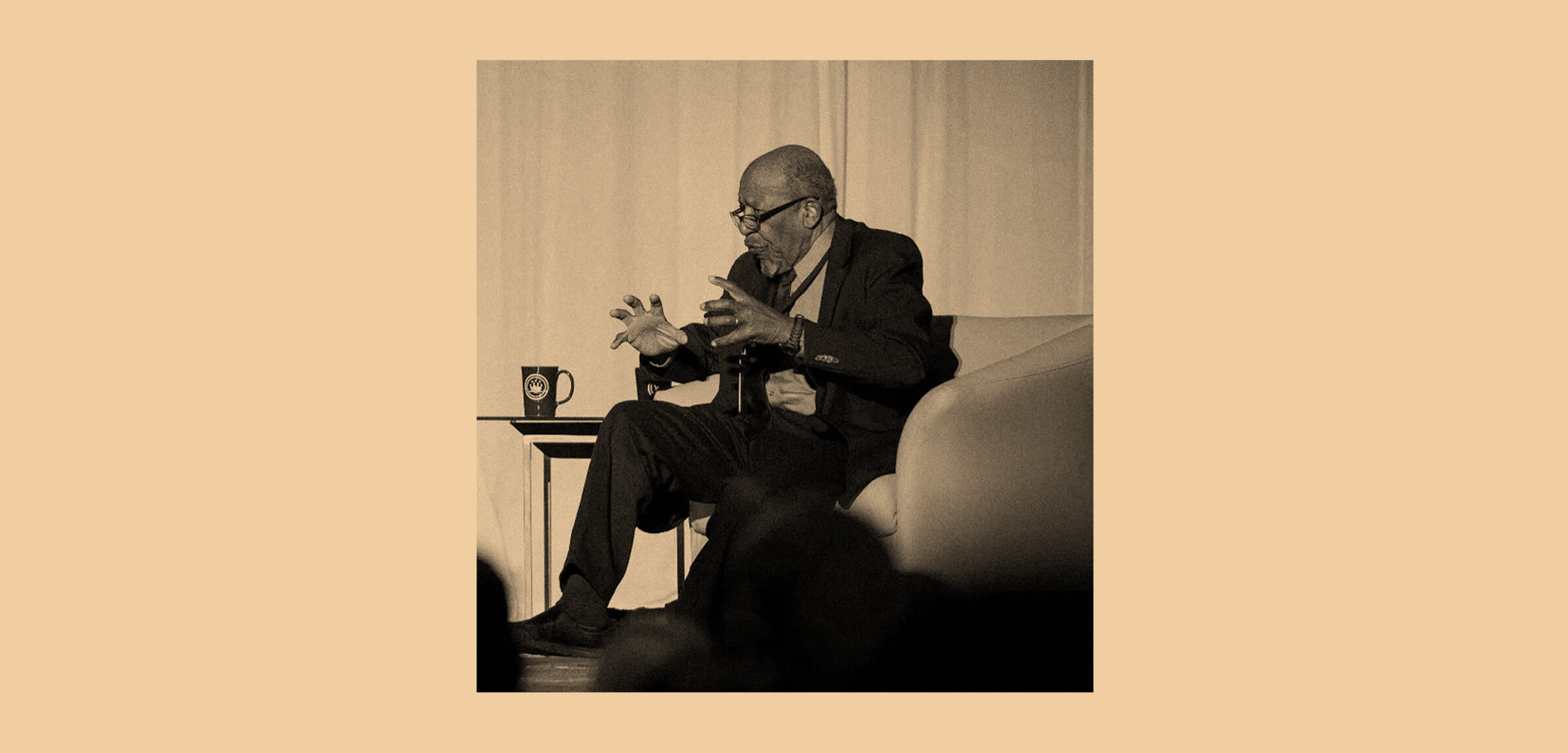
John Perkins died this week, and I can’t believe it.
When I say that, I don’t mean his death was a shock. He was in his 90s. I also don’t mean what we often say when someone we love and respect dies: “I just can’t believe he’s gone.” No, what I find hard to believe is that we were alive at the same time. That’s because Perkins seemed too large for this age.
Perkins seemed to be someone we should read about in history books, not someone we could know. Whenever I saw his face and name on the screen of my pulsing phone in an incoming call, I felt as if I were being contacted by George Whitefield or John Wesley or Martin Luther King Jr. Perkins seemed strange in this time in the world, and that’s because he is as close as we get in the present day to what people meant at one time when they said “martyr.”
To continue reading, visit Christianity Today.